خصم 20% على جميع المنتجات، يطبق عند الدفع

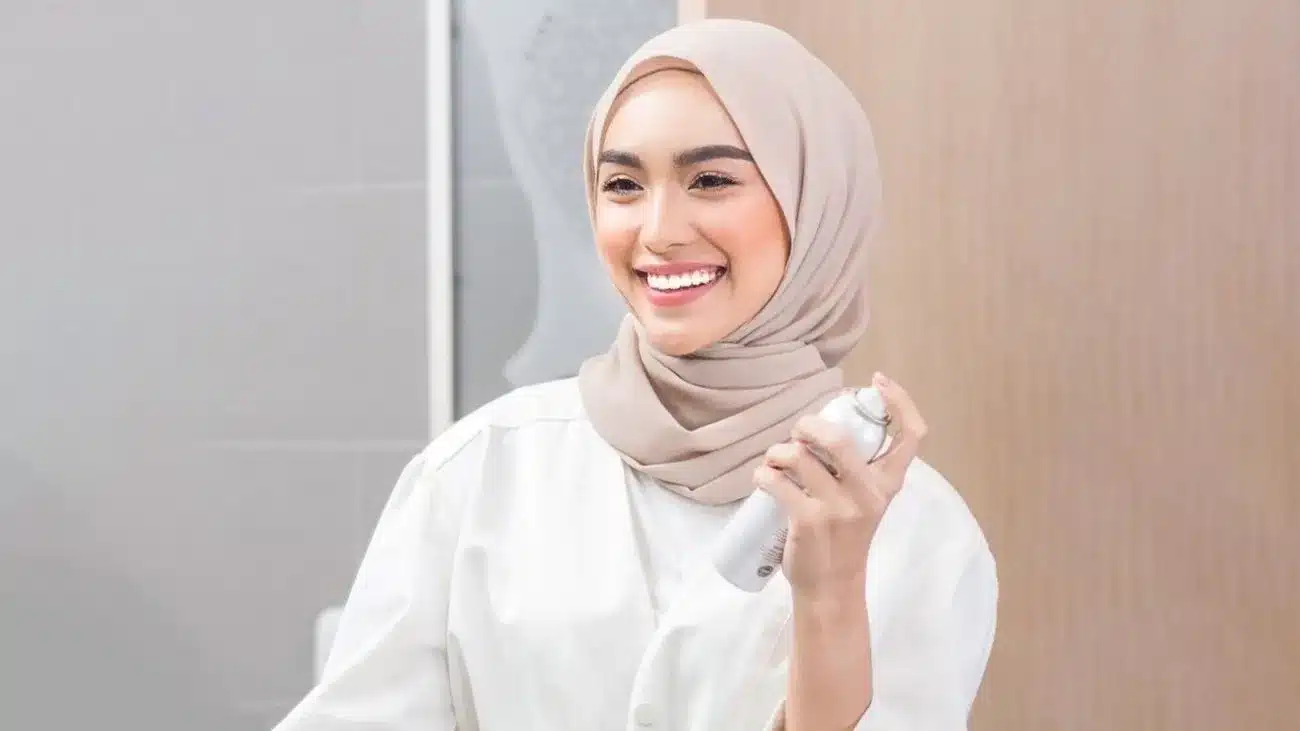
Scalp Care Routine Under the Hijab: A Practical and Professional Saudi Guide

If you notice sudden oiliness just a few hours after going out, or feel a subtle itch under the hijab by the end of the day, you are not the problem. The climate is. Riyadh records average highs exceeding 43°C in July, while Jeddah adds humidity levels reaching 65% in September. This mix of extreme heat and long hours of coverage creates a closed environment under the hijab where moisture and natural oils build up faster than usual.
The solution is not washing your hair more, nor washing it less. It is adjusting your routine to match your scalp type specifically, and the Saudi climate specifically. In this article, you will find two practical protocols, one for oily scalps and one for sensitive scalps, direct answers to the most searched questions, and clear signs of when you need to consult a dermatologist.
Why Are Scalp Needs Different Under the Hijab?
Long daily coverage changes three factors at once: the local temperature of the scalp, the humidity level, and the scalp’s ability to get fresh airflow. The result? Sebum builds up faster. When you add external heat and high humidity, especially in Jeddah and coastal areas, the usual routine is no longer enough.
This does not mean that every hijabi will necessarily have hair problems. It simply means the routine needs careful calibration: the type of shampoo, washing frequency, moisture before covering, and a few minutes of ventilation after returning home. These small details make the real difference.
Before Wearing the Hijab: 3 Rules You Cannot Ignore
1. Never wear the hijab over wet hair
Moisture trapped under fabric creates an ideal environment for fungi and bacteria to multiply, which can lead to odor, flakes, and irritation. The solution is simple: dry your hair completely with cool or lukewarm air before covering it. No exceptions here.
2. Choose your hijab fabric and undercap wisely
Cotton and lower-density natural silk allow better ventilation and reduce friction against the scalp. If you choose synthetic fabrics for aesthetic reasons, add a cotton inner layer as the first layer directly on the hair. This small step changes a lot.
3. Reduce tension and change your parting direction regularly
Chronic tension along the front hairline and temples is linked to traction alopecia, a medically documented condition that responds better to early treatment. Use wide, soft hair ties that are not tight, and change the parting direction weekly to distribute pressure.
Scalp Cleansing Routine: How Often and How?
There is no single washing frequency that fits everyone. Dermatology recommendations link wash frequency to hair type and the level of sebaceous gland activity:
- Oily scalp / fine straight hair: daily washing or every other day is acceptable and recommended
- Dry scalp / curly or thick hair: a lower frequency, twice a week or less, while maintaining cleanliness
- When dandruff is present: use an anti-dandruff shampoo with ZPT or Ketoconazole several times a week while monitoring the response
The correct method: focus the lather on the scalp and massage with your fingertips, not your nails, for 60–90 seconds. Rinse with lukewarm water, and apply conditioner only to the ends, not the scalp.
| Signs of overwashing | Signs of underwashing |
|---|---|
| Dryness and itching immediately after washing, constant irritation, brittle hair | Clear oiliness or odor after two days, rapid buildup |
Which Shampoos Help Prevent Dandruff Under a Hijab in Riyadh’s Heat?
In Riyadh’s hot weather, wearing a hijab for long hours can increase sweating, oiliness and product buildup around the scalp. Regular cleansing is therefore an important part of preventing the conditions that can make flakes, itching and discomfort more noticeable.
For a regular Beauty Essence routine, Maya Innovate Peptide Shampoo 500 ml is a suitable option when the scalp needs gentle cleansing while the hair lengths also feel dry or stressed. Its place within the Peptide Care Collection makes it easier to combine cleansing with a balanced routine for the lengths and ends.
When the hair is affected by frequent styling, heat or repeated washing, Maya Innovate Pro Shampoo 300 ml can also be used as the cleansing step before conditioner or a hair mask. Focus the shampoo on the scalp and roots, allowing the foam to pass through the lengths while rinsing rather than rubbing the ends aggressively.
To support your shampoo routine under the hijab:
- Wash the scalp after heavy sweating when necessary.
- Rinse the shampoo thoroughly to prevent residue.
- Dry the scalp and roots completely before wearing the hijab.
- Apply conditioner and masks only to the lengths and ends.
- Wash undercaps regularly and avoid wearing a damp one.
- Avoid applying heavy oils directly to a dandruff-prone scalp.
Peptide Shampoo and Pro Shampoo can support regular scalp cleansing, but they should not be described as medicated anti-dandruff treatments. If flakes, redness or severe itching continue, use a dermatologist-recommended anti-dandruff shampoo and seek professional advice.
Moisturizing Before Covering + Daily Ventilation: A 5-Minute Routine That Makes a Difference
As soon as your hair is dry and right before wearing the hijab:
- 3–5 drops of a lightweight scalp serum — distribute with your fingertips and massage gently for 30–45 seconds
- One or two drops of oil on the ends only — to reduce frizz without adding heaviness that builds up under the hijab
When you get home, give your scalp 5–10 minutes of ventilation before rushing to put the hijab back on or lying down right away. These short minutes reduce trapped moisture and can ease itching if present. Also, wash or change the inner undercap every 2–3 days, because an oily undercap can re-contaminate a freshly cleaned scalp.
Scalp Detox and Exfoliation: When Do You Need It and When Should You Avoid It?
Scalp detox is not a daily step. It is periodic support when certain signs appear:
- Rapid buildup after washing despite an appropriate washing frequency
- Odor under the hijab within hours
- Mild itching with oily roots and dull ends
Choose the right ingredient according to your scalp type:
- BHA / Salicylic Acid: dissolves oil inside pores — the first choice for oily scalps or mild dandruff
- Charcoal / Kaolin: absorbs impurities and oils — ideal for high-humidity days in Jeddah and coastal areas
- Aloe Vera / Tea Tree: gentle soothing and purification — best for sensitive or irritated scalps
- Sea salt (light scrub): physical exfoliation followed by hydration — for occasional use only
Safe frequency:
Oily scalp: once a week
Sensitive / dry scalp: once every 3–4 weeks
Leave it on for 5–10 minutes without scrubbing with your nails. Stop immediately if redness or pain appears.
Summer, Sea, and Sun: Protecting Hair and Scalp on Vacation
UV rays weaken keratin protein through UVB and cause color and texture changes through UVA. Protection does not start after exposure. It starts before it.
- Wear a wide-brim hat during direct sun exposure, especially between 10 AM and 4 PM
- Rinse with fresh water immediately after swimming before sea salt dries on the hair
- Use a conditioner or hydrating mask after rinsing to restore moisture balance
- Avoid combing the hair while it is wet with chlorine or salt — wait until it is rinsed
These steps reduce salt dryness and keep the hair fibers more flexible and resilient over time, instead of trying to repair damage that built up over an entire season.
Two Practical Protocols: Choose What Fits Your Scalp
(A) Oily / Active Scalp Protocol
- Washing: daily or every other day, a scalp-focused shampoo, conditioner only on the ends
- Light salicylic detox: once a week, 5–10 minutes, gentle massage without scrubbing
- Before covering: 3–5 drops of scalp serum + a cotton undercap
- At-home ventilation for 5–10 minutes + change the undercap every 2–3 days
(B) Sensitive / Dry Scalp Protocol
- Washing: twice weekly or less, a gentle sulfate-free shampoo, lukewarm water
- Soothing detox (Kaolin / Tea Tree / Aloe): once every 3–4 weeks for a shorter time
- Lightweight hydration for the scalp and ends in measured amounts, without excess
- Wide fabric hair ties and soft fabrics to reduce friction
Mistakes to avoid in both protocols: scrubbing with nails, combining a strong exfoliant with a medicated shampoo in one session, wearing the hijab over damp hair, and maintaining constant tension at the same pressure point every day.
We’re Here to Help
Beauty Essence Products Selected for This Routine
We chose these products because they cover the three essential stages on which this routine is built: deep cleansing, weekly hydration, and nightly maintenance, with doses and ingredients suitable for the scalp under the hijab.
| Product | Role in the routine | Best for |
|---|---|---|
| Peptide Detox Shampoo / Conditioner / Mask — Maya Innovate | Detox and deep scalp cleansing (cleansing stage) | Oily and combination scalps |
| Nano Repair Set A & B Plus | Lightweight nightly maintenance for the ends (protection stage) | Split ends and frizz |
Start with one product that matches your top priority, and monitor your scalp’s response for two weeks before adding a new step. Shop now from Beauty Essence and get fast delivery across the Kingdom.
Signs That You Should Visit a Dermatologist — Do Not Delay
A good routine solves a lot, but some cases need specialized medical evaluation:
- Receding front hairline or visible gaps at the temples: a sign of traction-related loss that requires changing the hairstyle immediately and may need topical treatment
- Painful bumps on the scalp or severe itching that does not improve: this may be folliculitis and needs evaluation, not detox
- Thick persistent scales despite anti-dandruff shampoo: this requires diagnosis to distinguish between scalp psoriasis, seborrheic dermatitis, and eczema
Early diagnosis keeps treatment options wider and less invasive. Do not wait until the condition worsens.
Start This Week: Two Steady Steps That Make a Difference
- Dry the hair completely before the hijab + apply 3–5 drops of a lightweight scalp serum
- Give the scalp 5–10 minutes of ventilation daily when you return home
When you notice the difference in scalp comfort after one week, and you will, go back to the two protocols above and add one new step calmly. No rush. You do not need to complete every step of the routine at once. Two steady steps this week are enough to begin.
Ready to start? Look for Maya Innovate Peptide Detox Shampoo or Eva Joie Honey & Milk Spa Set on the Beauty Essence website, and choose the product that addresses your top priority today.
Frequently Asked Questions
How often should I wash my hair as a hijabi?
There is no single answer. Oily scalp or fine hair: daily or every other day. Dry scalp or curly hair: twice a week or less. The most accurate indicator: start with three washes a week and adjust according to oiliness and comfort. Your scalp will tell you what it needs within two weeks.
Is detox necessary for every hijabi?
No. Detox is a complementary step, not a basic one. You need it if you notice rapid buildup despite regular washing, an odor that bothers you, or mild itching with obvious oiliness. If your scalp feels comfortable with your current routine, there is no need to add a step you do not need.
How do I protect my hair from the sun during a beach vacation?
Three practical steps: first, wear a wide-brim hat during direct sun exposure between 10 AM and 4 PM. Second, rinse with fresh water immediately after coming out of the sea before the salt dries on the hair, because dry salt roughens the fibers. Third, use a conditioner or hydrating mask immediately after rinsing to restore balance.
When should I visit a doctor for a scalp problem?
Visit a dermatologist if you notice any of the following: a clear recession in the hairline or gaps at the temples, painful bumps on the scalp, thick scales that do not respond to anti-dandruff shampoo after 4 weeks, or severe, ongoing itching. A home routine does not replace medical diagnosis in these cases.
Can I use hair oil right before wearing the hijab?
Yes, but in a very controlled amount. One or two drops on the ends only, and avoid the scalp and roots. Extra oil on the scalp under the hijab builds up with heat and accelerates oiliness. A lightweight serum is safer for the scalp, while oil is better for the ends.